Painting a space might seem simple, but there is a big difference between painting a family home and tackling a large commercial property. Each project comes with its own set of challenges, goals, and preparation needs. Whether you are a homeowner looking to refresh your living room or a business owner preparing your storefront, understanding what sets these two types of painting apart will help you make informed decisions and get the best results possible.
Understanding the Difference
The first major difference between commercial and residential painting is scale. Residential projects typically focus on smaller, more detailed spaces such as bedrooms, kitchens, or exterior siding. Homeowners often prioritize appearance, color harmony, and comfort. Commercial painting, on the other hand, involves larger surfaces like offices, warehouses, retail spaces, or apartment complexes. These projects require efficiency, durability, and strict adherence to safety and schedule requirements.
Residential Painting: Personal Touch and Precision
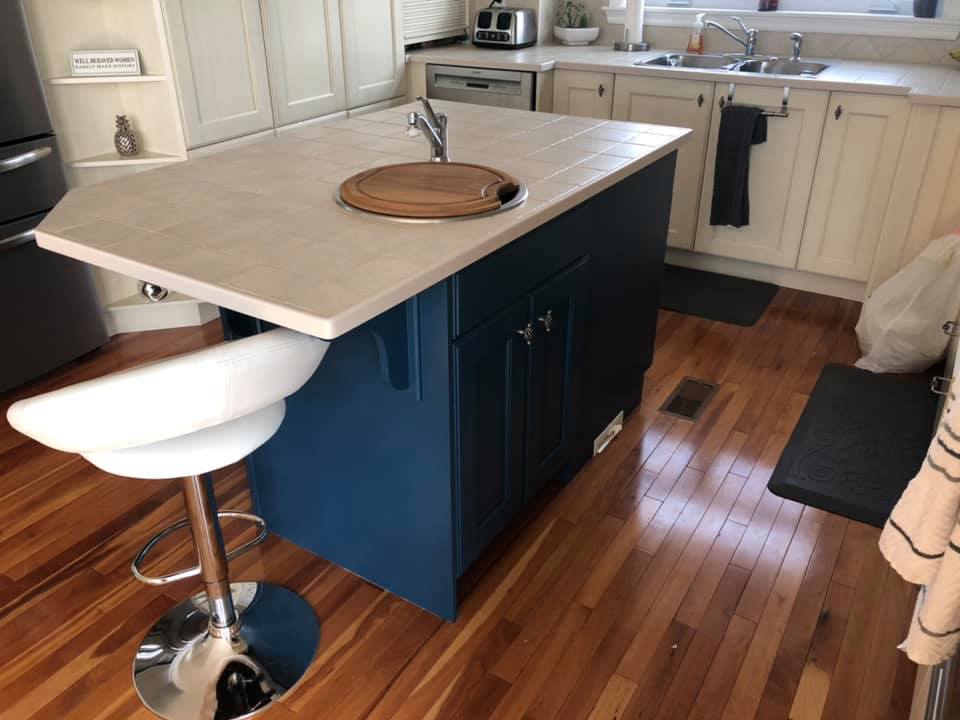
When painting a home, the goal is to create a warm, welcoming environment that reflects the homeowner’s style. Residential painters work closely with clients to choose colors, finishes, and textures that fit the personality of the space. Preparation is key, including surface cleaning, patching holes, sanding, and priming to ensure the best finish.
Since homes are personal spaces, painters must also respect the homeowner’s schedule and belongings. Quality, attention to detail, and a smooth process are top priorities. The right paint can also improve a home’s value and protect surfaces from moisture, UV rays, and wear over time.
Commercial Painting: Efficiency and Expertise
Commercial painting projects often require a larger team and specialized equipment like scaffolding, lifts, or industrial sprayers. The main focus is minimizing downtime and maintaining productivity for businesses. For example, painting might be scheduled after hours or on weekends to avoid disrupting operations.
Durability is another major concern. Commercial painters use high-performance paints that resist fading, scuffing, and frequent cleaning. These coatings are designed to withstand heavy foot traffic, changing temperatures, and even harsh cleaning chemicals. In many cases, commercial painters must also follow specific safety standards and regulations depending on the type of building or business.
How to Prepare for Either Project
Whether you are preparing your home or business for painting, proper planning is essential. Here are a few tips to make the process smoother:
- Set clear expectations. Discuss your goals, budget, and timeline with your painting contractor.
- Choose the right colors. Consider lighting, room purpose, and mood for homes. For businesses, choose colors that reflect your brand or create a professional atmosphere.
- Prepare the space. Move furniture, cover floors, and remove wall décor before the painters arrive.
- Schedule smartly. For commercial projects, coordinate painting during off-peak hours. For homes, choose times that cause the least disruption to your routine.
- Trust the professionals. Experienced painters know how to manage both residential and commercial needs, ensuring long-lasting, beautiful results.
The STJ Painting Difference
At STJ Painting, we understand that every project is unique. Our team takes the time to assess your needs, recommend the best materials, and deliver a professional finish that lasts. Whether it is a cozy family home or a busy commercial space, we bring the same commitment to quality, safety, and satisfaction.
Transform your space with confidence. Contact STJ Painting today to learn how our expert team can bring your vision to life.