How expert technique, preparation, and materials create longer lasting and higher quality finishes
Many homeowners consider painting as a simple do it yourself project. At first glance, it may seem straightforward. Buy paint, choose a color, and apply it to the wall. However, the difference between DIY painting and professional painting becomes very clear over time. What looks acceptable on day one may begin to show flaws, uneven coverage, or early wear much sooner than expected.
Professional painting is not just about applying color. It is a structured process that involves preparation, technique, material knowledge, and attention to detail. These elements work together to create a finish that is not only visually better but also longer lasting and more durable.
One of the biggest differences is surface preparation. Professionals understand that the quality of the final result depends heavily on what happens before painting begins. Walls must be cleaned, repaired, and properly smoothed. Small imperfections like dents, cracks, or uneven textures are addressed so the surface is ready for paint. Without this step, paint may not adhere properly, leading to peeling or uneven appearance over time.
DIY painting often skips or rushes this stage, which can affect long term results. Even high quality paint cannot hide poor preparation. Professional painters know that preparation is essential for a smooth and durable finish.
Another major factor is technique. Applying paint evenly requires skill and experience. Professionals know how to control brush and roller pressure, maintain consistent coverage, and avoid streaks or visible lines. They also understand how different surfaces react to paint and adjust their approach accordingly.
In contrast, DIY painting can often result in uneven coats, roller marks, or inconsistent texture. These issues may not be obvious immediately but become more noticeable as the paint settles and dries.
Material selection is also an important difference. Professional painters use high quality products that are suited to specific environments. For example, moisture resistant paint may be used in bathrooms, while more durable finishes are chosen for high traffic areas. Understanding which materials work best for each situation helps ensure long lasting results.
Many DIY projects rely on general purpose paint, which may not always provide the best durability or finish for the space. This can lead to faster fading, staining, or wear.
Time efficiency is another advantage of professional painting. What might take a homeowner several days or even weeks can often be completed much faster by a professional team. This is because professionals follow a structured process and work with experience and efficiency.
They also know how to plan projects properly, including preparation, application, drying time, and finishing touches. This reduces delays and ensures a smoother workflow from start to finish.
Attention to detail is another area where professionals stand out. Small details such as clean edges, even corners, and consistent finishes make a significant difference in overall appearance. These details require precision and practice to execute properly.
In DIY projects, these finer details are often overlooked or difficult to achieve without proper tools and experience. As a result, the final look may feel less polished or incomplete.
Durability is one of the most important long term differences. Professional painting typically lasts longer because of better preparation, higher quality materials, and correct application techniques. This means fewer touch ups and less frequent repainting over time.
DIY paint jobs may begin to show wear sooner, especially in high traffic areas or spaces exposed to moisture or sunlight. This can lead to additional maintenance and cost in the long run.
Another important factor is problem solving during the project. Professional painters are trained to handle unexpected issues such as wall damage, uneven surfaces, or previous poor paint jobs. They know how to correct these problems before applying new paint.
DIY painters may not always recognize or know how to fix these issues, which can affect the final outcome.
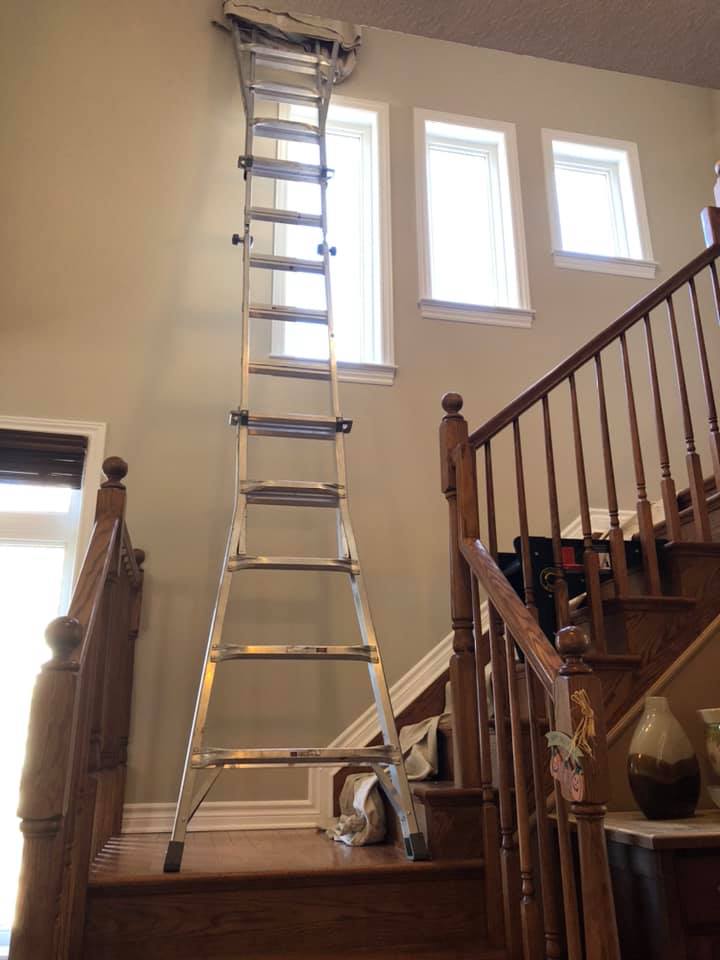
Safety and proper equipment also play a role. Professionals use the right tools and equipment for each job, including ladders, protective materials, and application tools designed for efficiency and precision. This ensures not only better results but also safer working conditions.
DIY painting may involve limited tools or improper setup, which can affect both quality and safety.
Consistency is another key advantage. Professional painters ensure that color, texture, and finish remain consistent across all surfaces. This creates a unified and balanced look throughout the space.
In DIY projects, variations in application can sometimes lead to uneven tones or patchy areas, especially in larger rooms.
Over time, the difference between professional and DIY painting becomes more noticeable. Professional work maintains its appearance longer, requires less maintenance, and continues to look polished even after years of use. DIY work may require earlier repainting or touch ups to maintain the same level of appearance.
In the end, professional painting is not just about convenience. It is about achieving a higher standard of quality that lasts. It combines preparation, skill, materials, and experience to deliver results that improve both appearance and durability.

Call to Action
For professional interior, exterior, and residential painting services, contact STJ Painting today.
Phone Number (613) 929 4169
Website https://stjpainting.com/