Your home’s exterior paint is more than just a visual statement. It serves as the first line of defense against the elements. Over time, even the best-quality paint begins to show signs of wear due to weather, moisture, and sunlight. Recognizing the early warning signs of paint failure can save you from costly repairs and help maintain your home’s beauty and protection. Here are five key indicators that it might be time to repaint your exterior, along with practical steps you can take.
1. Fading Colour
One of the first and most noticeable signs of aging paint is fading. The sun’s ultraviolet rays gradually break down pigments, causing colours to lose vibrancy. South-facing walls often fade faster because they get the most sun exposure. While fading may seem cosmetic, it often signals that the protective qualities of the paint are weakening.
What to do: Choose high-quality, UV-resistant paint when repainting. Lighter colours tend to resist fading better than darker ones, and a professional painter can recommend the right finish and brand for your home’s specific exposure.
2. Peeling or Flaking
Peeling paint is a clear sign that the paint film has lost adhesion, often due to moisture trapped beneath the surface. This can happen if the previous coat was applied to a damp surface, if water seeped behind siding, or if your home experiences heavy seasonal humidity. Once peeling starts, it quickly exposes bare wood or other materials, leading to decay or rust.
What to do: Before repainting, it is crucial to remove loose paint and properly prepare the surface. Professionals will sand, clean, and prime the area to ensure strong adhesion for the new coat. Address any moisture problems to prevent future peeling.
3. Cracking or Bubbling
Cracks and bubbles on painted surfaces often indicate trapped moisture or poor surface preparation. When paint expands and contracts with temperature changes, it can crack if the underlying surface is not properly primed or if low-quality paint was used. Over time, small cracks turn into larger ones, compromising both appearance and protection.
What to do: Repair any cracks or gaps before painting and use flexible, weather-resistant exterior paint. In humid areas, a breathable paint formula allows moisture to escape rather than become trapped beneath the surface.
4. Chalky Residue
Run your hand across your painted siding. If a powdery residue comes off, that is a sign of paint oxidation. Chalky paint develops as binders in the paint break down over time due to sunlight and weather exposure. While it might not look severe, it means your paint is nearing the end of its life and no longer offering proper protection.
What to do: Wash the chalky surface thoroughly before repainting. Applying a high-quality primer helps seal the surface and create a strong base for new paint.
5. Mold, Mildew, or Stains
Discoloration, dark patches, or greenish stains often point to mold or mildew growth. These thrive in damp, shaded areas of the home, especially where water drainage is poor or ventilation is limited. Left untreated, mold can damage paint and even the surface beneath it.
What to do: Clean affected areas with a mild solution of water and detergent or a specialized cleaner before repainting. Choose paint formulated with mold-resistant properties for added protection.
The Importance of Timely Maintenance
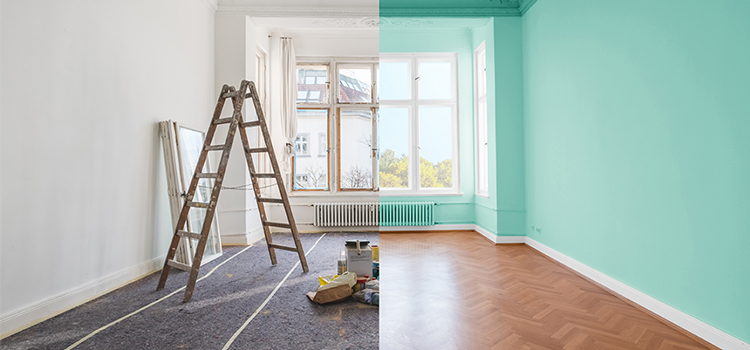
Exterior paint typically lasts between 5 to 10 years depending on climate, materials, and maintenance. Regular inspections can help you catch early warning signs before they become serious problems.
When it comes time to repaint, professional painters like those at STJ Painting ensure that every step, from preparation to final coating, is done with care and precision. Investing in quality paintwork not only enhances curb appeal but also extends the life of your home’s exterior, protecting it from Ottawa’s changing weather for years to come.